What is Web Design?
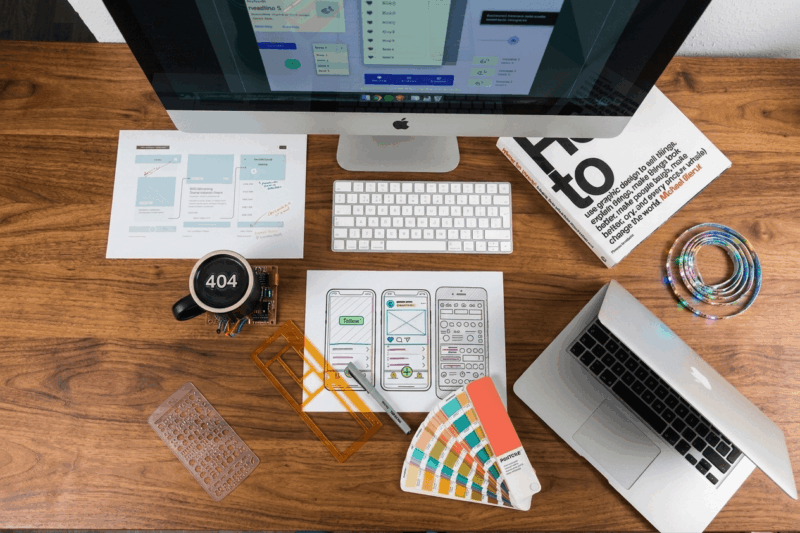
Web design is the process of planning, designing, and building the visual and functional aspects of a website. 🎨 It involves elements such as page structure, content production, and graphic work. The focus is on how the site looks and how it is used, paying special attention to elements like colors, typography, images, and user experience (UX), a key concept we explore in depth in the 5 essential areas of user experience. The goal is to create attractive, clear, and easy-to-navigate sites. 🚀
Design, in general, involves gathering ideas and organizing them aesthetically with a defined purpose. Web design applies these principles to present content on pages accessible via the Internet through web browsers. 🌐
Web design elements
Web design shares many visual elements with other design disciplines. Some of the most important are:
Design: 📐 It is the organization of graphics, text, menus, and interactive elements within the site. A good design guides the user, helping them find the information they are looking for quickly. The key lies in achieving balance, consistency, and a clear visual hierarchy.
Color: 🌈 The choice of colors depends on the brand identity and the target audience. It can range from a simple black and white palette to vibrant combinations. The important thing is that the colors convey personality and are harmonious with each other.
Graphics: 🖼️ Images, icons, logos, or illustrations enrich the visual design. These elements must be integrated with the content strategically, without overloading the site or affecting its loading speed.
Typography: ✍️ The use of appropriate fonts enhances the site’s message. It is important to choose legible fonts that are compatible with all browsers (web-safe fonts), maintaining consistency in the overall style.
Content: 📝 Text and images must work together to communicate effectively. Content must be relevant, clear, and user-oriented. Additionally, it must be optimized for search engines (SEO). If you want to dive deeper into this, check out how web design affects SEO.
How to create a functional and user-centered web design
In addition to aesthetics, a website must be easy to use and accessible to all types of users. To achieve this, the following aspects are considered:
Navigation: 🗺️ A good navigation structure allows the visitor to browse the site intuitively. If you want to improve this aspect, we recommend reading how to improve conversion rates with web design. Menus, links, and calls to action must be designed to facilitate access to the most important information.
Multimedia: 🎬 The use of images, videos, or audio can help convey ideas more dynamically. If used properly, these resources enhance the user experience.
Compatibility: 📱 A site must function correctly in all modern browsers and adapt to different devices and operating systems. Responsive design is no longer optional—it’s essential. Technical performance also directly impacts user experience, as explained in Google’s Core Web Vitals.
Technology: ⚙️ Technological advances allow for the creation of more dynamic, fast, and visually impactful websites. Using modern technologies can make a real difference in how users perceive your site.
Interactivity: 🖱️ Forms, surveys, comments, or subscriptions allow users to interact with the site. These elements not only improve the experience but also help convert visitors into customers.
If you’re considering building your website, you may also find this guide helpful: how much a website costs in 2026 and what factors influence the price.
Professional web design at Yakiwo
At Yakiwo, we create unique digital experiences by combining aesthetics, functionality, and technology. Our design team focuses on user experience (UI/UX), performing a detailed analysis of each project to deliver personalized, functional solutions with a strong visual identity. ✨